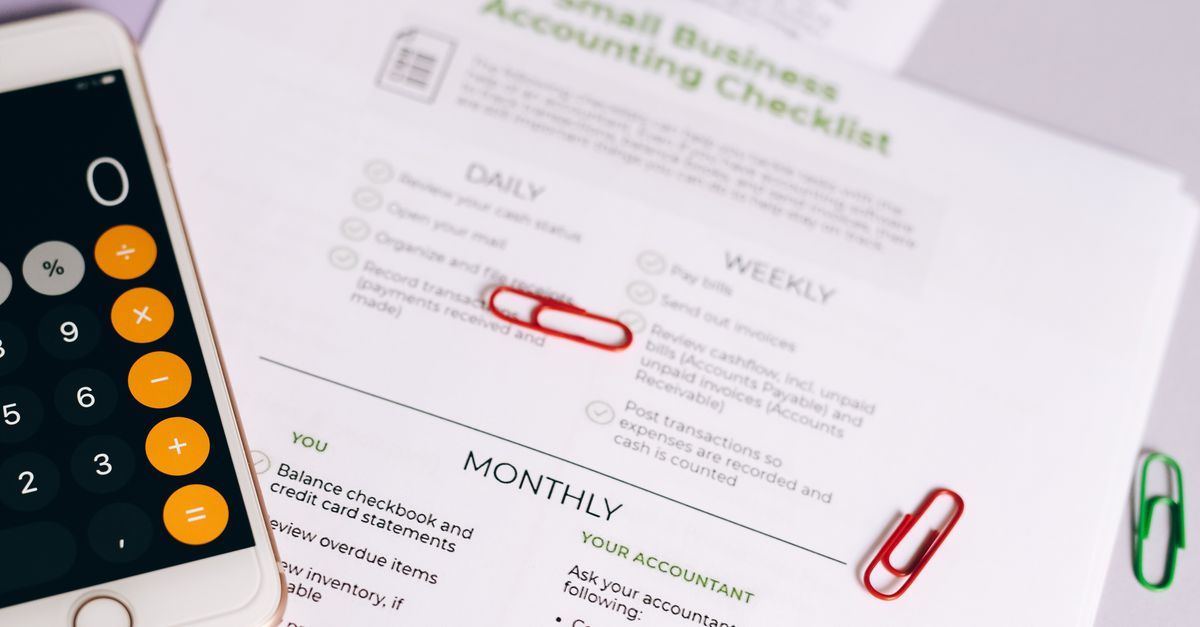
The Importance of Record Keeping for Capital Gains
Table Of Contents
Common Mistakes in Record Keeping
Many individuals underestimate the importance of maintaining consistent and accurate records. A frequent error is failing to document all transactions promptly. This can lead to incomplete information, making it challenging to calculate capital gains accurately when it’s time to file taxes. Additionally, relying solely on bank statements without cross-referencing receipts can cause discrepancies in financial reporting.
Another common pitfall occurs with the misclassification of expenses and revenue. Individuals might mistakenly classify personal expenses as business expenses, leading to potential legal issues during audits. Inaccurate categorisation can also affect the calculation of capital gains, resulting in unexpected tax liabilities. Keeping detailed notes and organising records systematically can help avoid these errors.
Avoiding Errors that Can Cost You
Mistakes in record keeping can lead to significant financial repercussions. Failing to accurately track capital asset purchases and sales may result in miscalculated gains or losses, leading to incorrect tax filings. Individuals often overlook small details such as associated costs, which can affect overall profit calculations. Regularly updating and reviewing records helps catch errors before they escalate.
It is crucial to establish a systematic approach to documentation. Maintaining organised files for each transaction not only simplifies accounting but also aids in meeting compliance requirements. Utilising clear records of purchase dates, amounts, and enhancements ensures that all relevant information is readily accessible during tax season or audits. By prioritising meticulous record keeping, individuals can avoid costly mistakes and reduce stress during financial assessments.
Tools and Resources for Record Keeping
Maintaining accurate records requires effective tools and resources tailored to individual needs. Various software applications are available that streamline data entry and categorisation, ensuring that users can easily track their capital gains and related expenses. Options range from dedicated accounting software to general spreadsheet programs. These tools often include templates specifically designed for capital gains reporting, making the task less daunting while helping users ensure compliance with regulations.
In addition to software solutions, physical storage methods play an essential role in a comprehensive record-keeping system. It is crucial to organise physical documents systematically, using folders or filing cabinets that allow for easy access. Investing in cloud storage solutions can provide a reliable backup, safeguarding important documents against loss or damage. Combining digital and manual methods offers a well-rounded approach, enabling individuals to select the systems and resources that best suit their organisation style.
Digital Solutions for Organising Records
Many individuals and businesses are turning to digital solutions to streamline their record-keeping processes. Various software programs and applications are designed specifically to track investments, capturing details such as purchase dates, acquisition costs, and sale prices. With powerful features for data analytics, users can assess their portfolios and evaluate capital gains more effectively. These tools often offer cloud storage, ensuring that vital records are secure and accessible from anywhere at any time.
Utilising spreadsheets remains a popular choice for many. They provide a flexible method for organising data, allowing customisable layouts to fit specific needs. However, an increasing number of platforms now integrate automation features to reduce the likelihood of manual entry errors. Mobile applications also enhance portability and convenience, letting users input information on the go. Embracing these digital advancements not only simplifies record-keeping but also promotes more accurate and efficient management of capital gains.
The Impact of Poor Record Keeping
Inadequate record keeping can lead to significant financial repercussions. Tax authorities often scrutinise records during audits, and if discrepancies are found, individuals may face harsh penalties. Incorrectly reported capital gains can result in overpayment of taxes or a failure to claim eligible deductions. These mistakes can compound over time, leading to unwarranted financial strain and additional interest on unpaid taxes.
Moreover, poor documentation may hinder one's ability to track investment performance effectively. Investors rely on accurate records to assess profitability and make informed decisions regarding future investments. A lack of clear financial history can result in missed opportunities for growth or the avoidance of underperforming assets. Ultimately, diligent record keeping is not only a legal obligation but also a crucial strategy for maintaining financial health.
Consequences on Taxation and Penalties
Failing to maintain accurate records can lead to significant complications during tax assessments. Tax authorities require documentation to substantiate claims related to capital gains, and the absence of such evidence can result in discrepancies during audits. When records are incomplete or poorly organised, taxpayers risk incorrectly reporting their capital gains, which can lead to inflated tax liabilities. In the worst cases, this may trigger an audit, causing added stress and costs.
Penalties for inadequate record keeping can be severe. Taxpayers might face fines, interest on unpaid taxes, or even more severe legal repercussions. These consequences can escalate financial burdens, making it crucial to prioritise meticulous record management. The ramifications extend beyond immediate financial penalties, potentially affecting future borrowing capabilities and overall financial stability.
FAQS
Why is record keeping important for capital gains?
Record keeping is crucial for capital gains as it helps accurately track the purchase and sale of assets, ensuring that you can correctly calculate gains or losses for tax purposes. Proper records also provide support in case of audits and help avoid penalties.
What are some common mistakes people make in record keeping?
Common mistakes include failing to keep detailed records of transactions, mixing personal and business records, not documenting expenses related to asset acquisition, and neglecting to update records promptly. These errors can lead to inaccurate tax filings and potential penalties.
What tools can I use for effective record keeping?
There are various tools available, including digital accounting software like Xero or MYOB, spreadsheets, and dedicated record-keeping applications. These tools can help you organise and track your records efficiently and securely.
How can digital solutions improve my record-keeping process?
Digital solutions simplify the record-keeping process by allowing for easy storage, retrieval, and organisation of documents. They often include features such as automated data entry, cloud storage, and integration with other financial tools, making it easier to maintain accurate records.
What are the consequences of poor record keeping?
Poor record keeping can lead to inaccurate tax filings, which may result in underpayment or overpayment of taxes. This can attract audits, fines, and penalties from the tax authorities, as well as loss of potential tax deductions and credits.
Related Links
Changes to Capital Gains Tax Legislation You Should KnowHow to Calculate Capital Gains on Investments
The Role of Exemptions in Capital Gains Tax Strategy
Implications of Inherited Assets on Capital Gains Tax
Capital Gains Tax and Superannuation Contributions
Tips for Navigating Capital Gains Tax on Shares